For Cities and Municipalities
Drainage and Instant Beautification for City Properties
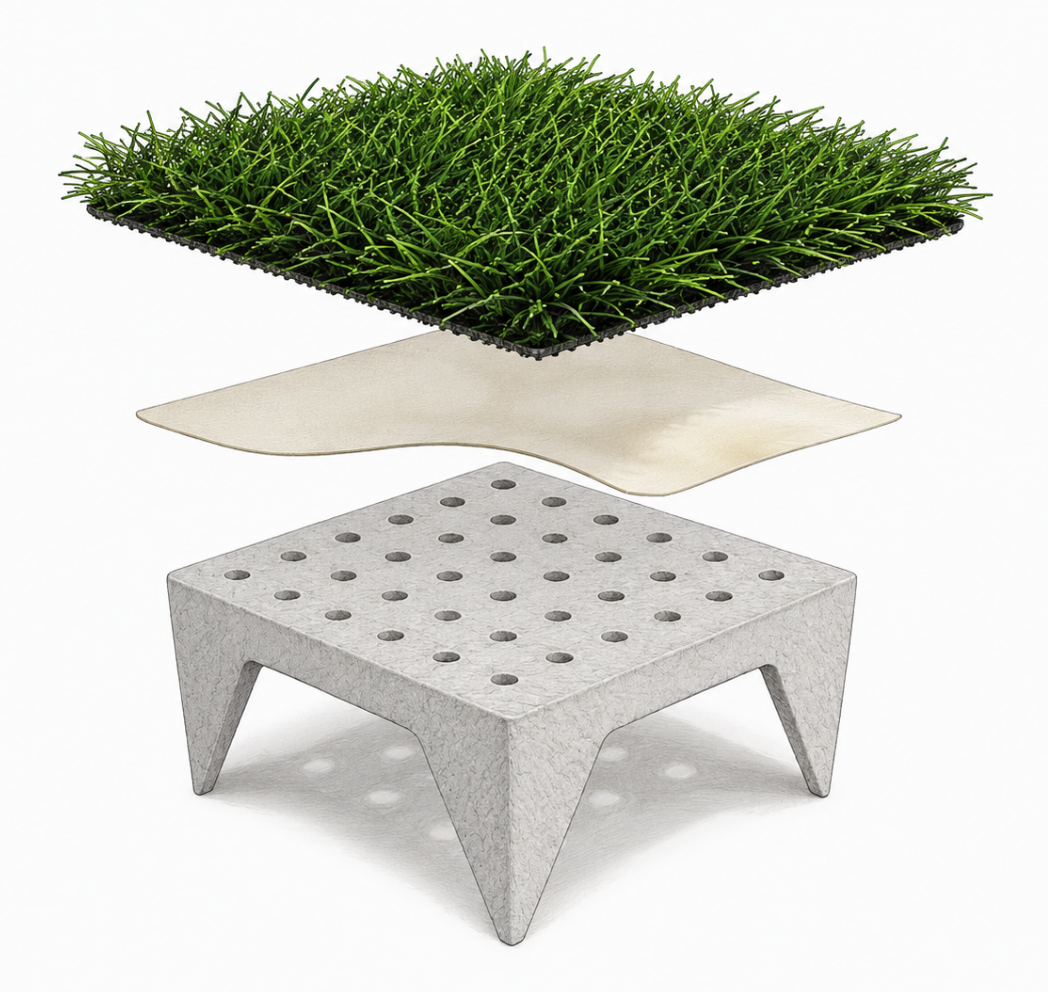
MBED TurfPlug gives compatible Turfstone pavers a uniform green finish as soon as installation is complete, with no grass establishment period. Water passes through the turf and the perforated insert into the opening below. It works in new paver projects and in suitable existing areas, such as parks and overflow parking.
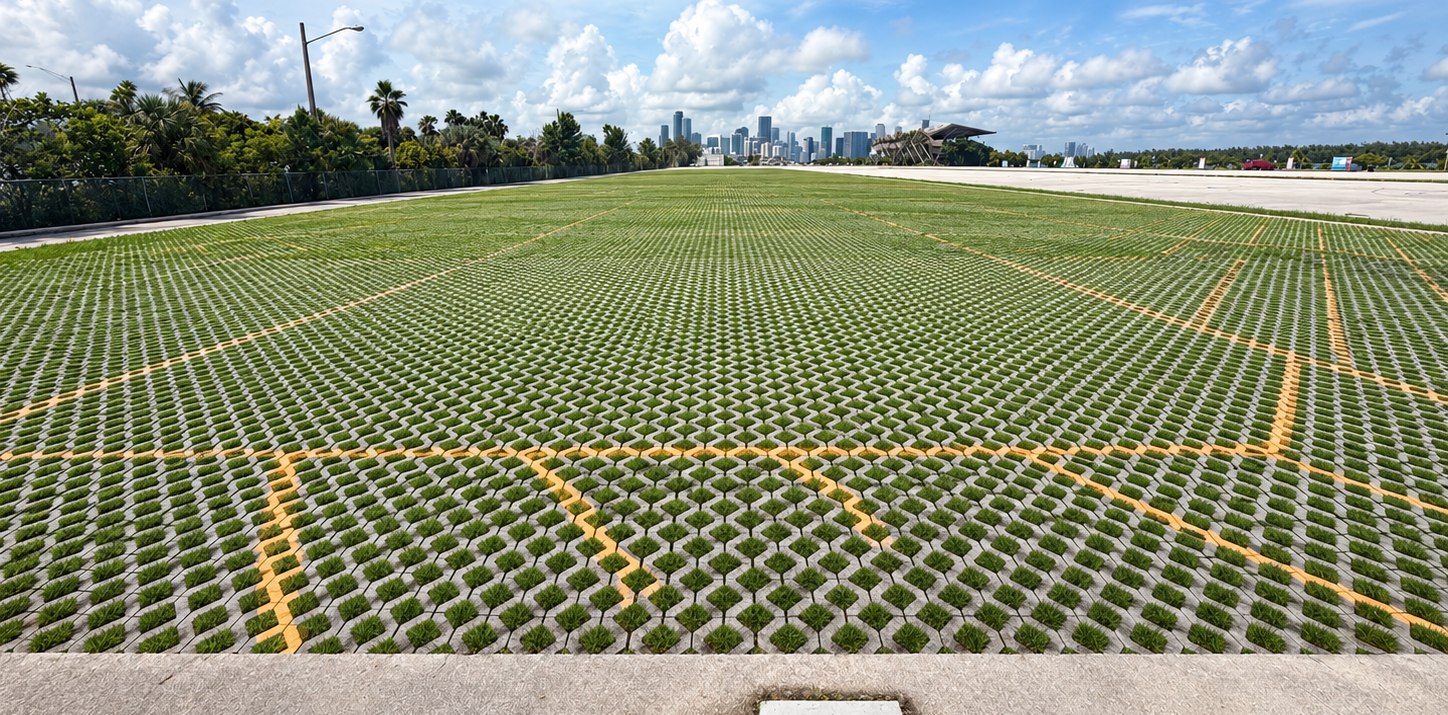
Concept visualization, not an installed city project.
What It Gives a City
A Finished Appearance
Uniform green infill as soon as installation is complete, in place of bare or patchy openings.
No Grass Establishment Period
There’s no waiting for seeded or planted grass to fill in. Synthetic turf needs no mowing or irrigation for growth.
Water Passage at the Surface
Water passes through the turf and perforated platform, then into the fill in the opening and on to the site’s drainage design.

MBED and TurfPlug
The insert creates a consistent place for synthetic turf within compatible paver openings. The concrete paver and its engineered foundation provide the pavement structure.
MBED
A perforated polyethylene insert without turf.
TurfPlug
MBED with synthetic turf preassembled on top.
New Projects or Existing Pavers
New Turfstone Paving
The project design sets the pavement, from the subgrade to the pavers. Once the paver field is stable, MBED or TurfPlug goes into each compatible opening.
Existing Turfstone Areas
Keep serviceable pavers in place, remove old grass or fill as needed, and seat the inserts in the existing openings for a consistent green finish.
Existing parks, overflow parking, and other city properties can be surveyed for suitable installations.
Concept Images
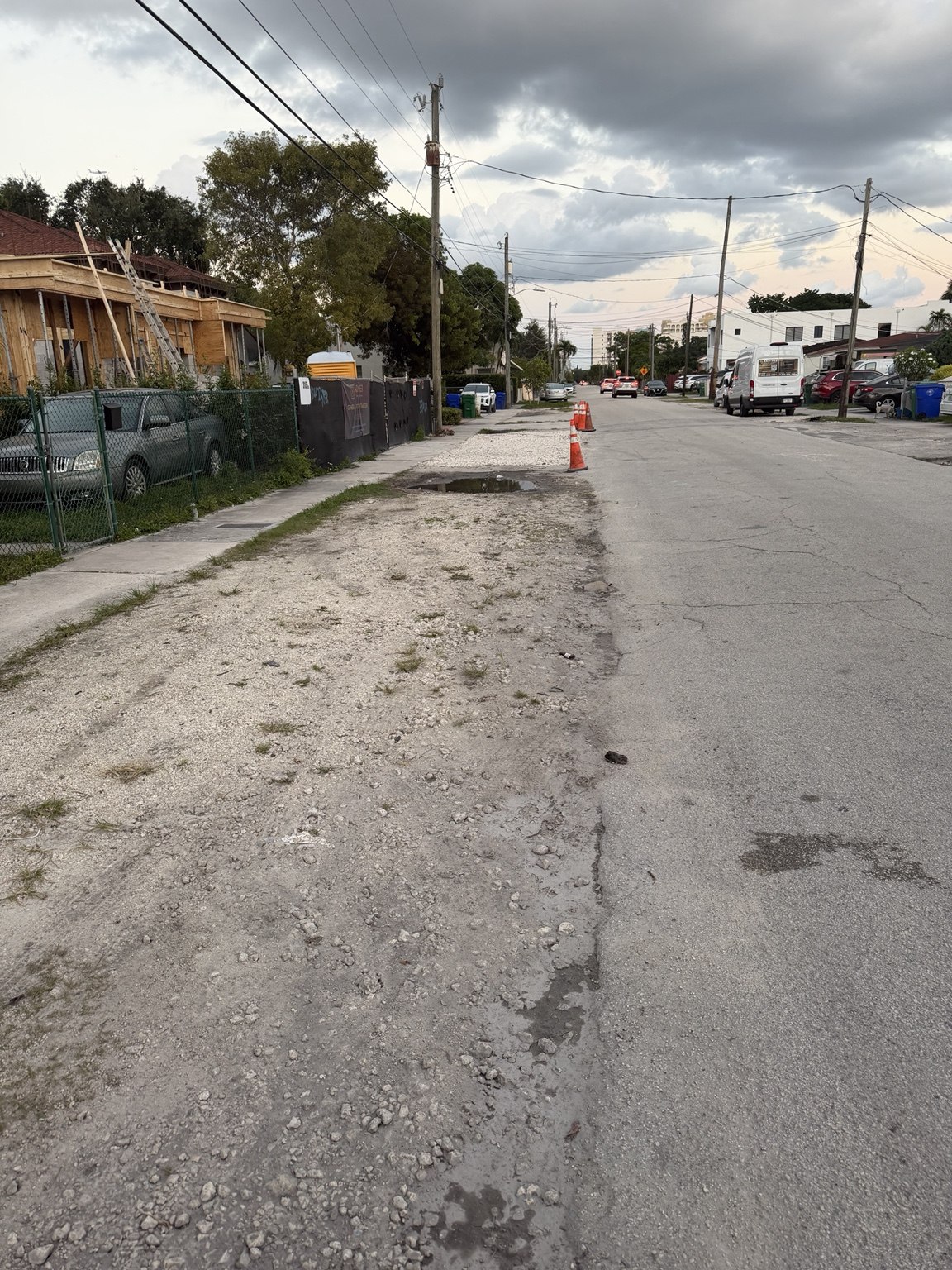
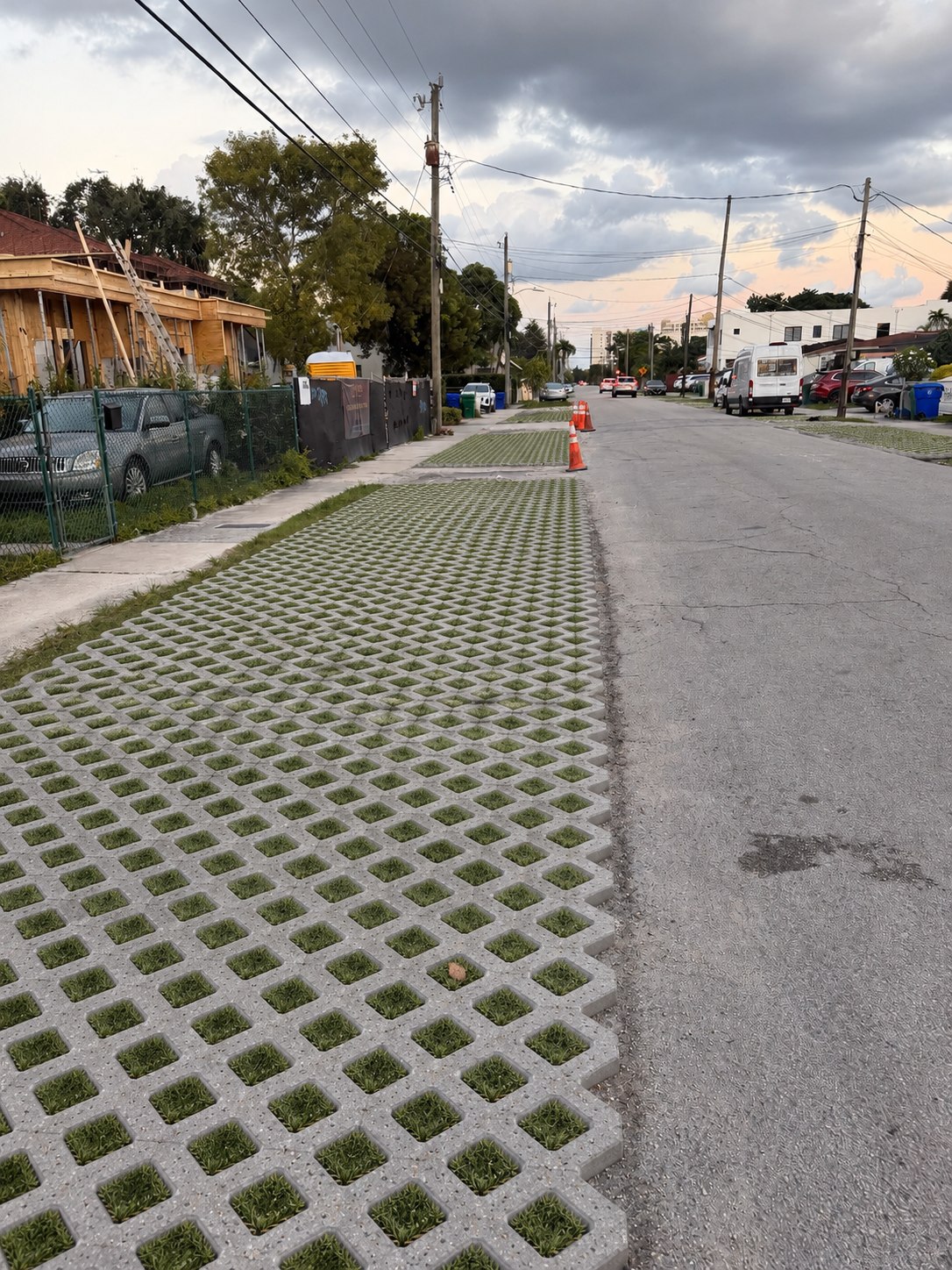
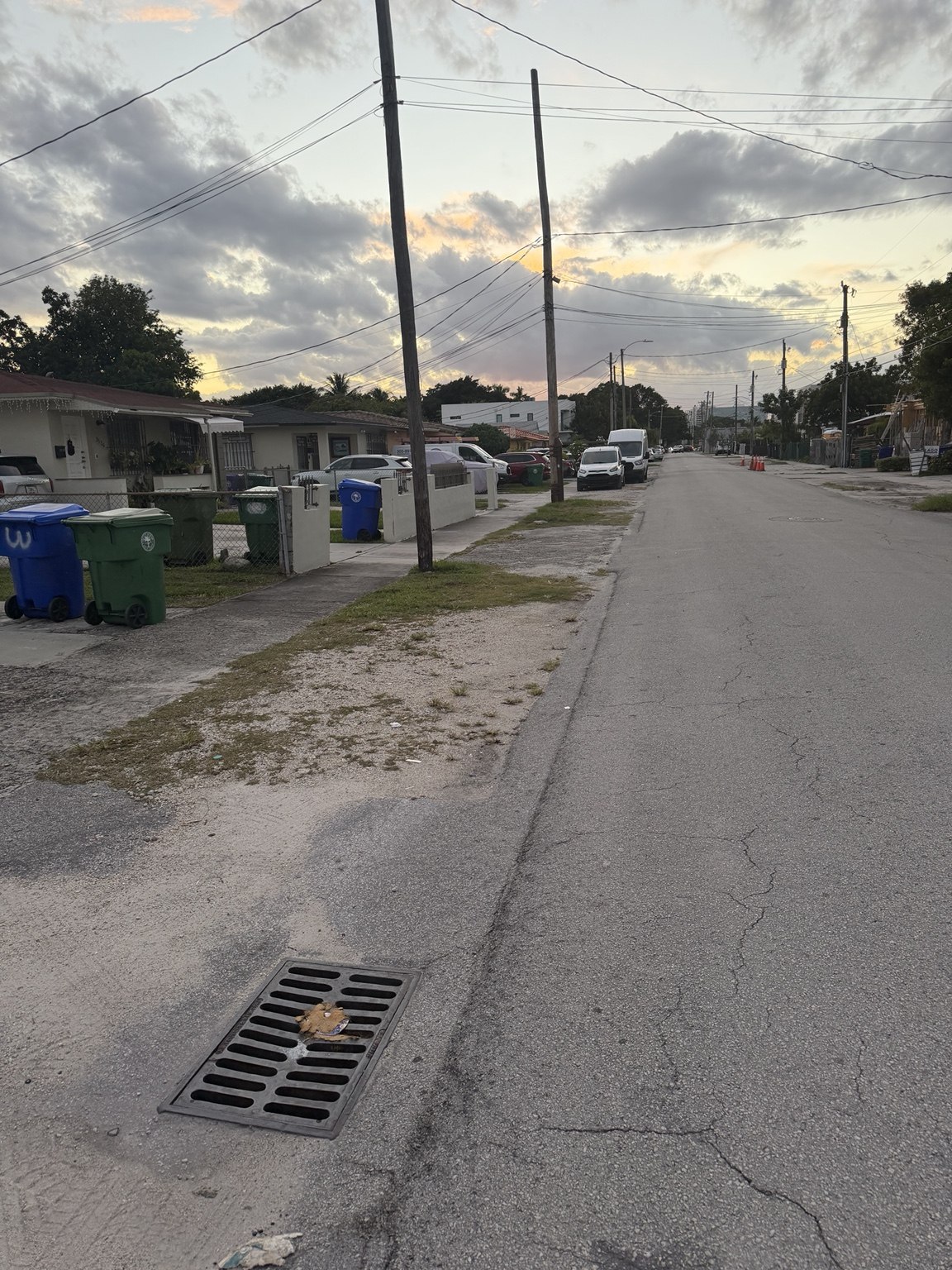
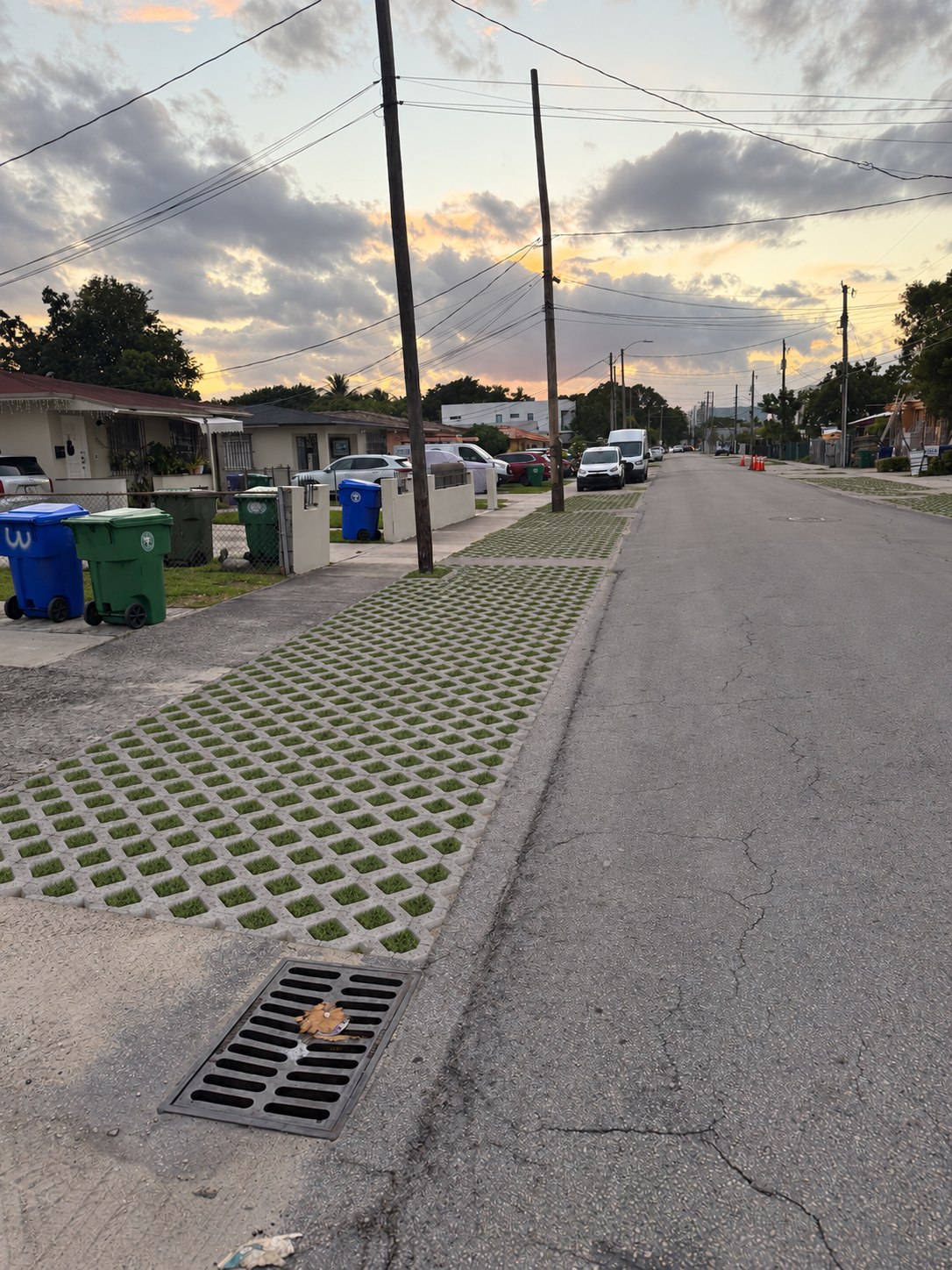
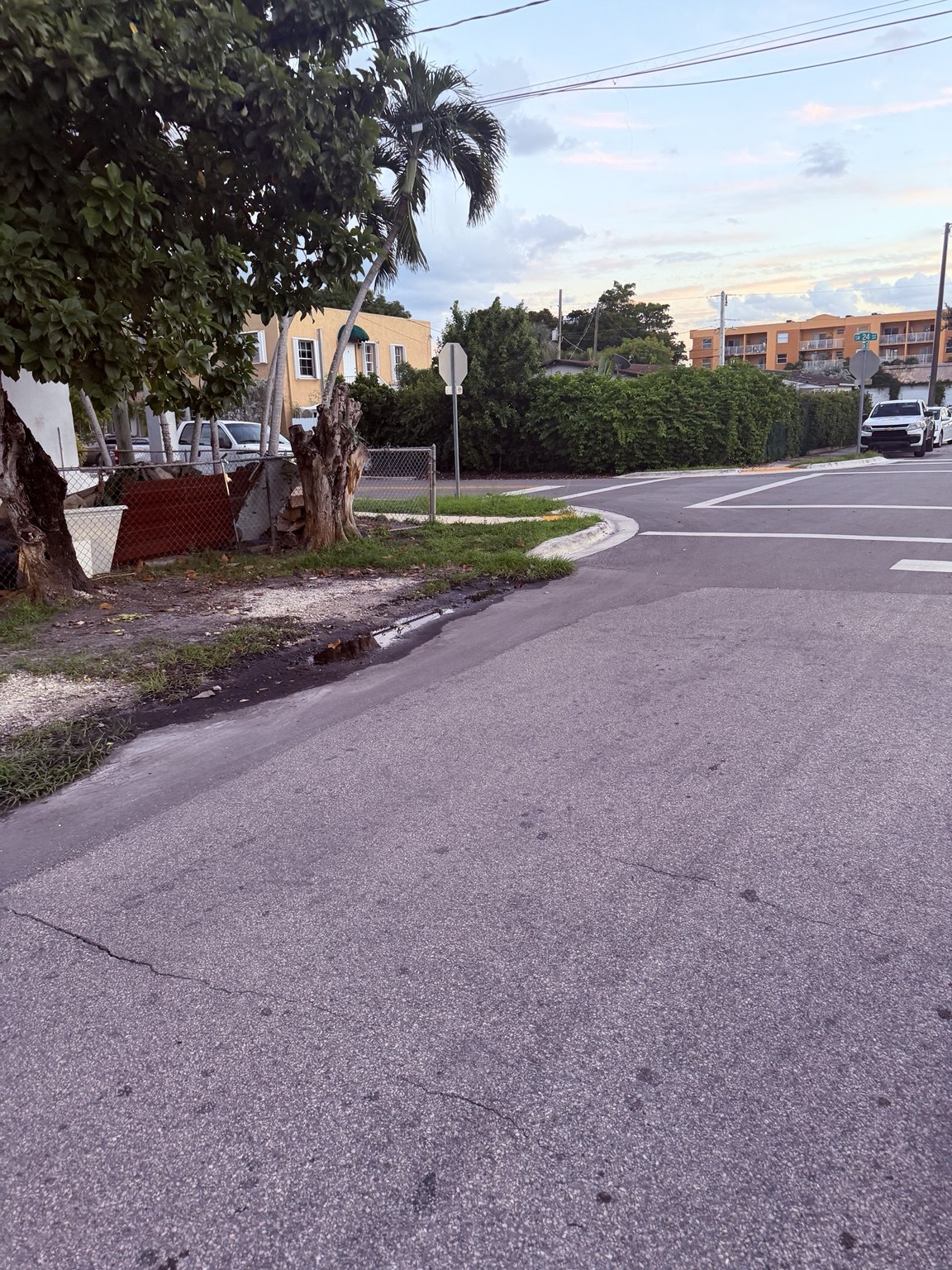
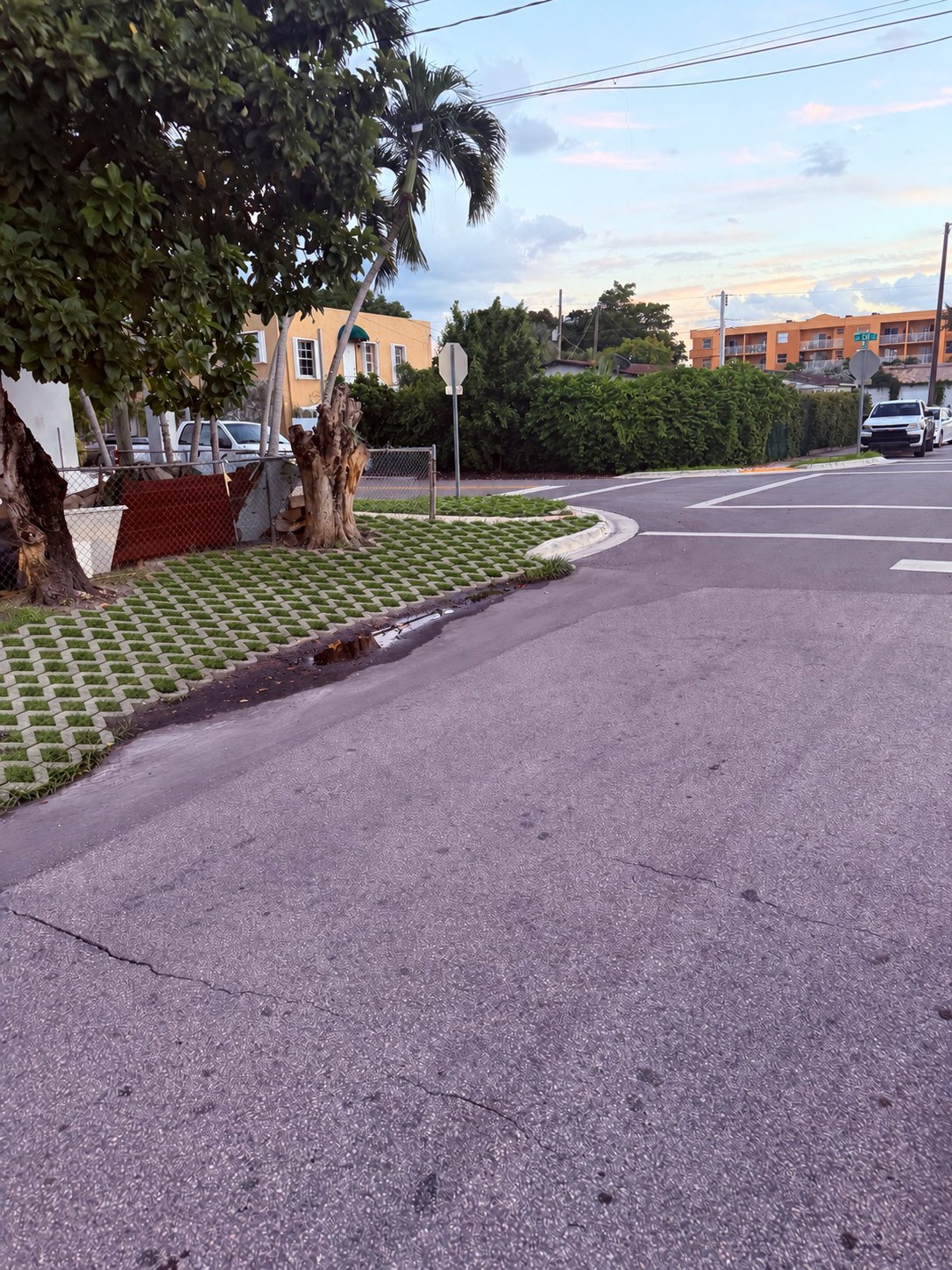
Swales Between Street and Sidewalk
Each pair shows the same location. The before images are photographs. The after images are AI-generated concepts of Turfstone pavers with MBED TurfPlug, not completed projects.
Before
After Concept
Before
After Concept
Before
After Concept
How Drainage Works
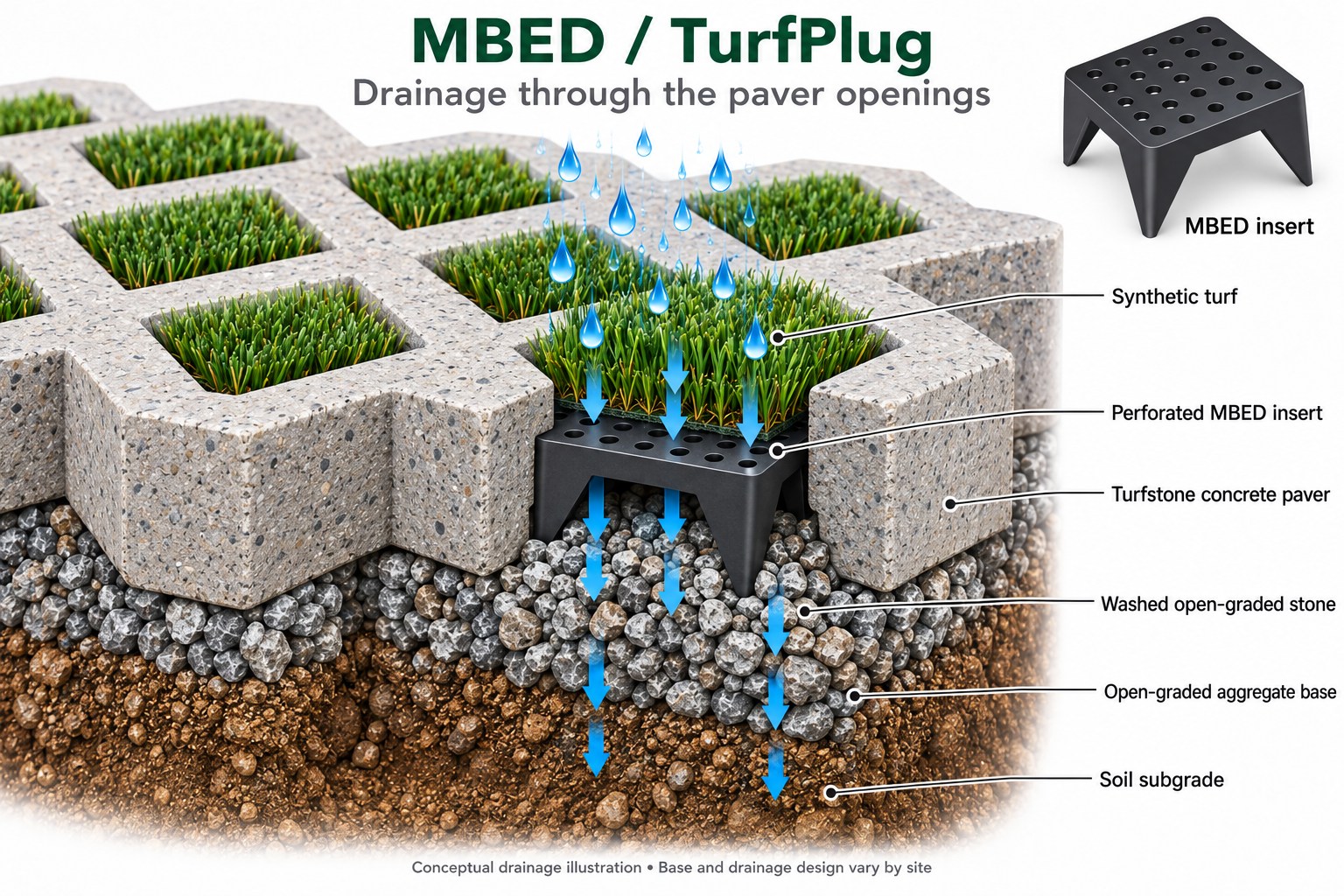
- Through the TurfWater passes through the turf and perforated MBED platform.
- Into the Opening FillThe prepared fill connects the opening to the designed pavement drainage path.
- Site DrainageThe base, soil, and any underdrains determine how water leaves the site.
Reported Laboratory Results
Labosport vertical water permeability results under EN 12616, for TurfPlug with SYNLawn SYNTIpede 243 in a Turfstone paver.
Three-Plug Configuration
5,522 mm/h
Average, or 217 in/h
Single-Plug Configuration
5,131 mm/h
Average, or 202 in/h
Laboratory values describe the tested configurations. Actual site drainage depends on the complete pavement and drainage design.
How It Installs
- Prepare the SiteCheck grades, soil, and groundwater. Excavate to the design depth, then grade and compact the subgrade to the engineer’s specification.
- Build the Base and BeddingThe project design and paver manufacturer govern the pavement foundation.
- Lay the PaversLay units to the approved pattern, line, and grade, install edge restraints, and confirm a stable, even paver field.
- Prepare the OpeningsSupport the insert legs with the specified material in each opening.
- Place the TurfPlugPlace one per compatible void. Press-fit, check secure seating, and brush the turf upright.
Product Reference
Material: Polyethylene (PE)
Platform: Nominal 3 × 3 in (76 × 76 mm), perforated
Height: Nominal 2 in (51 mm), excluding turf
Platform setting: Up to 1/4 in (6.35 mm) below the adjacent paver surface
Support in the opening: Clean, washed 1/8–1/4 in stone with minimal fines, or project-approved compacted sand
Pavement foundation: The paver manufacturer and project engineer specify the subgrade, base, bedding, and edge restraint
Verify fit with the actual paver opening. Project-specific construction documents govern the installation.
Care and City Project Review
The finished pavement still needs routine care, and every location needs its own technical review.
Routine Care
Remove leaves and sediment. Keep the surface and drainage passages clear.
Condition Checks
Inspect insert seating, turf attachment, and paver settlement. Replace damaged components.
Structural and Drainage Design
Confirm the paver system, base, and outlets suit the site and expected vehicles.
Accessible Routes
Review surface firmness, stability, slip resistance, and applicable accessibility requirements separately.
Frequently Asked Questions
Answers for city staff, engineers, and project reviewers.
What is the difference between MBED and TurfPlug?
MBED is the perforated polyethylene insert without turf. TurfPlug is MBED with synthetic turf preassembled on top. Both are made to seat in compatible paver openings, and the fit is checked against the actual paver before a project begins.
Can TurfPlug go into existing Turfstone pavers?
Yes, where the existing area is compatible and sound. The opening dimensions, paver condition, seating support, and drainage are checked first. Settled or damaged paving needs repair before an insert retrofit is considered.
Do the laboratory results show how much rain a site can handle?
No. The reported results describe water passage through the tested configurations in a laboratory, and they shouldn’t be multiplied across a site. Installed drainage depends on the complete pavement and drainage design, including the base, soil, and any underdrains.
What maintenance does it need?
The synthetic turf needs no mowing or irrigation for growth, but the pavement still needs routine care. That means removing leaves and sediment, keeping the surface and drainage passages clear, and checking insert seating, turf attachment, and paver settlement. Damaged components are replaced as needed.
Can it be used on accessible routes or under vehicle traffic?
Those uses need their own review. The permeability results address water passage only, and they don’t certify wheelchair accessibility, slip resistance, or emergency vehicle capacity. A responsible engineer should confirm the paver system, base, and drainage for the site and its expected vehicles.
Get in Touch
Interested in TurfPlug for Your City?
If your city or municipality is interested in MBED TurfPlug for its properties, contact us and we’ll get back to you.
Samples, installation details, and laboratory documentation can be provided.